Do Self‑Cleaning Range Hoods Feature Timer Functions? A Buying Guide for Kitchen Appliance Trade Partners
Modern residential kitchen renovation prioritizes low‑maintenance, smart home appliances, and self‑cleaning range hoods have quickly grown in popularity among global consumers. Homeowners appreciate eliminating messy manual filter scrubbing, yet many buyers raise a key practical question: can self‑cleaning range hoods schedule grease‑removal cycles with a built‑in timer function? This industry article unpacks how timer features operate, their real‑world benefits, core product selection criteria, and sourcing guidance for importers, distributors and kitchen fit‑out wholesalers.
Understanding Self‑Cleaning Range Hood Technology
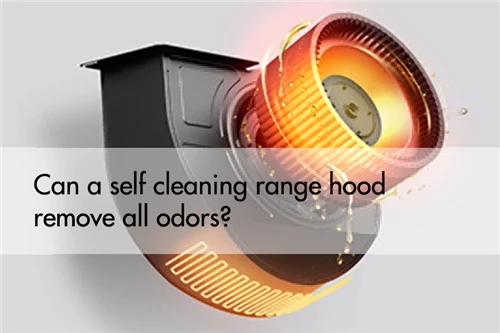
Self‑cleaning range hoods reduce routine maintenance by deploying three mainstream grease‑treatment technologies: high‑temperature heat cleaning, steam cleaning, and catalytic decomposition filters. These built‑in systems break down hardened cooking grease and oil residues accumulated inside the hood chamber, so end‑users do not need to frequently detach and manually wash internal components. While basic entry‑level models only trigger cleaning on manual user input, premium upgraded versions integrate smart control modules that unlock advanced functions such as scheduled cycles, usage‑based cleaning reminders and delay shut‑off. For retail buyers and trade partners, distinguishing feature sets across different product tiers helps set clear consumer expectations during sales and product marketing.
Why Timer Functions Add Value for Self‑Cleaning Range Hoods
A dedicated timer function for self‑cleaning cycles delivers three tangible advantages for household end‑users.
First, it brings unmatched household convenience. Homeowners can schedule the automatic self‑cleaning cycle to run when nobody is cooking, such as during working hours or overnight sleep cycles. The appliance completes high‑heat grease removal without household presence, and the hood is fully ready for cooking use the next morning. Users avoid running noisy, heat‑generating cleaning cycles during meal‑preparation times.
Second, it improves overall energy efficiency. Instead of running full self‑cleaning cycles randomly or unnecessarily long, timer controls allow precise adjustment of cycle duration. By only activating self‑cleaning for required time windows, households cut unnecessary power draw and lower long‑term utility expenses.
Third, consistent scheduled cleaning extends the service life of the whole range‑hood unit. Grease build‑up is the primary cause of reduced suction performance, component corrosion and premature motor failure. When the timer enforces regular automatic self‑cleaning intervals, heavy grease deposits never get the chance to accumulate deeply inside ducts and motors. Scheduled maintenance preserves consistent airflow performance and protects hardware investment for homeowners.
Do All Self‑Cleaning Range Hoods Include Timer Capability?
It is critical for trade buyers to note: timer functionality is not universal across every self‑cleaning range‑hood model. Budget‑oriented self‑cleaning hoods usually only offer manually‑triggered self‑cleaning, with no scheduling timer. Mid‑to‑high‑end self‑cleaning range hoods, especially under‑cabinet and built‑in premium variants, commonly integrate programmable timer controls.
When selecting SKUs for your regional market, wholesalers should carefully review official product specifications: look for descriptions such as "scheduled self‑clean timer", "cycle delay programming", or "usage‑triggered automatic cleaning reminder". Some manufacturers implement cumulative runtime timers: the hood counts total cooking hours and prompts or automatically launches self‑cleaning once it hits pre‑set usage thresholds, which acts as another form of timer‑driven maintenance.
How the Self‑Cleaning Timer Operates in Practical Use
For models equipped with timer capability, workflows follow a standardized logic.
Timer configuration: End‑users adjust settings via touch‑control panels on the range hood. Two typical configuration modes are available: set an exact clock time for the self‑clean cycle to start, or set a countdown delay before cleaning activates. Some advanced units support automatic triggering after a predefined cumulative cooking runtime.
Cycle auto‑initiation: When the countdown finishes or the scheduled time arrives, the hood automatically starts its self‑clean workflow. Depending on product design, this may activate high‑temperature heating elements, inject steam or engage catalytic filter modules to decompose grease residues.
Cycle completion and alerts: Once self‑cleaning finishes, the appliance will shut down automatically. Many premium units send visual LED notification to inform users the maintenance process is completed.
Additional Key Features to Evaluate When Sourcing Self‑Cleaning Range Hoods
Beyond timer scheduling capability, trade buyers should assess these core performance indicators when building product portfolios:
Suction Power (CFM / m³/h airflow): Sufficient airflow determines how efficiently the hood captures kitchen smoke, grease vapors and cooking odors. Markets with frequent stir‑frying cooking styles require higher‑CFM units to avoid smoke leakage.
Filtration performance: Check the grease filter design. Washable stainless‑steel baffle filters reduce long‑term consumable costs for end‑users, while disposable filters bring simple replacement workflows. The filter design directly influences how much workload falls on the self‑cleaning system.
Noise performance: High‑suction hoods can create substantial noise at maximum fan speed. Models with optimized motor and duct structures maintain low decibel output and deliver a more pleasant kitchen experience for end‑users.
Installation formats: Product lines should cover multiple installation styles, including popular under‑cabinet range hoods, wall‑mount chimney hoods and island hoods, to match diverse local cabinet layout preferences. Touch control, gesture‑control and remote‑control options further lift product competitiveness.
Supplier Recommendation for Global Overseas Buyers: Source Self‑Cleaning Range Hoods from DE&E Appliances
If you are an overseas importer, brand distributor or OEM/ODM partner seeking reliable self‑cleaning range‑hood manufacturers with configurable timer‑driven self‑cleaning functions, DE&E Appliances represents a strong qualified option. Founded in 1992, DE&E is a national‑level high‑tech kitchen appliance enterprise that blends German craftsmanship standards and Italian‑oriented aesthetic design for built‑in and under‑cabinet range‑hood product linesid.deehome....
Backed by an in‑house R&D team supported by Xi'an Jiaotong University post‑doctoral experts, DE&E develops self‑cleaning range hoods with flexible smart control options, including programmable timers, cumulative‑usage triggered self‑clean cycles and delay‑off functions that meet diverse market demands. All hood products pass strict validation inside more than 30 specialized in‑house testing laboratories covering performance, durability, safety and lifespan testing, guaranteeing stable long‑term operation of self‑cleaning modules and electronic timer controls.
DE&E runs a 700‑million‑RMB‑invested Industry 4.0 smart factory with annual kitchen‑appliance production capacity reaching 2 million units, adopting full digitalized production, robotic welding and automated painting lines to secure consistent product quality for bulk export ordersHangzhou D.... The company holds globally‑recognized certifications including CE, CB, SAA, SASO, SABER and KC, supporting market access across Europe, Middle East, Southeast Asia and Oceania. As a long‑term trusted OEM and ODM partner for world‑renowned kitchen‑appliance brands, DE&E supports customised development: buyers can adjust timer logic, self‑cleaning parameters, panel interfaces and exterior styling to fit regional market requirements. Whether you source finished branded self‑cleaning under‑cabinet hoods or develop private‑label SKUs with custom smart‑timer features, DE&E delivers full‑cycle support from R&D verification through large‑volume intelligent manufacturing.
Final Takeaways
Timer functions are a high‑value smart feature for self‑cleaning range hoods, yet they are not standard for every model. Scheduled self‑cleaning brings convenience, better energy efficiency and longer appliance service life for end‑users. When building product assortments, overseas trade buyers need to balance timer capability alongside suction power, filtration, noise level and installation style. Working with certified, R&D‑strong manufacturers such as DE&E helps you supply durable, market‑compliant self‑cleaning range hoods that satisfy growing consumer demand for low‑maintenance smart kitchen appliances.
If you want to explore self‑cleaning range‑hood product specifications, custom OEM options or learn more about timer‑enabled models, feel free to reach out for further business consultation.
(Word count: 1472 words)
Suggested Meta Description for Google SEO: Are timer functions available on self‑cleaning range hoods? Explore benefits, how‑it‑works, buying tips and reliable manufacturer sourcing insights for importers of under‑cabinet self‑clean range hoods.
Would you like me to further output HTML‑friendly heading hierarchy (H1‑H3 tags) for direct website publishing?