Can You Perform Slow‑Cooking on a Gas‑on‑Glass Hob? A Complete Guide for Kitchen Trade Professionals
Modern residential kitchen design increasingly prioritizes visual appeal alongside practical cooking performance, and gas‑on‑glass hobs have become one of the most sought‑after built‑in cooking appliances across global markets. Retailers, importers and kitchen fit‑out partners frequently receive consumer questions about whether this stylish appliance supports long‑duration low‑temperature slow‑cooking. Slow‑cooking is a beloved culinary technique worldwide for preparing stews, braised meat, casseroles and broths; it breaks down tough muscle fibres, unlocks deep flavour profiles and delivers tender dishes by maintaining consistent low heat over multiple hours, often ranging from 4 up to 10 hours of continuous cooking. This article breaks down performance characteristics, safety considerations, real‑world operational tips and supplier insights for industry buyers.
What Is a Gas‑on‑Glass Hob
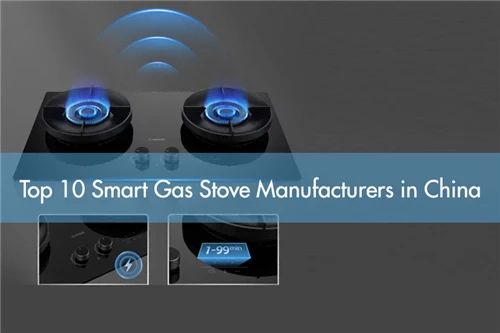
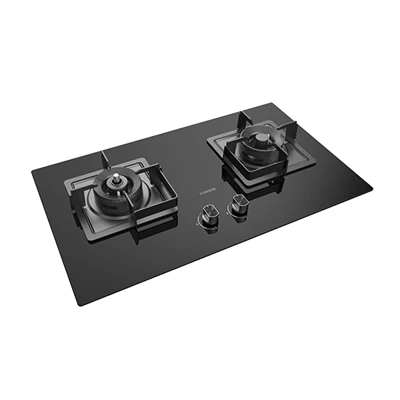
A gas‑on‑glass hob integrates high‑power gas burners underneath smooth tempered glass surfaces, merging the responsive heating power of gas cooktops with the minimalist, easy‑to‑clean aesthetics preferred for contemporary kitchens. Product portfolios cover multiple configurations: compact 2‑burner models ideal for small apartments or secondary kitchens, versatile 3‑burner glass gas stoves for multi‑task home cooking, and premium flat‑profile variants following European design language. The non‑porous glass top enables fast surface wiping after heavy cooking sessions, cutting down household cleaning workload significantly. While visual appearance drives purchase decisions for end‑users, professional buyers must evaluate core functional performance including flame modulation, heat uniformity and built‑in safety mechanisms for low‑heat long‑time operations.
Core Advantages of Gas‑on‑Glass Hobs for Slow‑Cooking Applications
Precise, Adjustable Temperature Control
A major concern for home cooks doing slow‑cooking is sustaining stable gentle simmer without fluctuating heat output. Well‑engineered gas‑on‑glass hobs deliver highly flexible flame adjustment, allowing operators to dial down to a tiny, steady low flame - a critical requirement for multi‑hour simmering. Many electric ceramic or induction hobs struggle to hold a reliably low heat setting; they cycle on and off, creating temperature swings that may lead to uneven stew results. By contrast, gas‑powered burners offer continuous, instant flame regulation. Users can hold consistent simmer conditions as long as needed for slow‑cooked recipes.
Balanced Heat Distribution Across Cookware Bases
The tempered glass layer acts as thermal buffer, spreading burner heat evenly across the bottom of pots and pans. This minimises harsh hot‑spot zones that cause localised burning while other sections of food remain undercooked. For slow‑simmered broths and meat dishes, uniform base heating ensures ingredients cook evenly throughout extended cooking cycles. While glass does not conduct heat in the same way as solid metal cooktops, properly matched heavy‑base cookware amplifies this benefit for long‑time low‑temperature cooking.
Reliable Safety for Extended Cooking Cycles
Modern gas‑on‑glass hobs are engineered for safe prolonged operation. Heat concentrates around burner zones instead of heating the full glass surface to extreme temperatures. Leading‑grade units are fitted with automatic gas shut‑off safety valves, commonly known as flame‑failure protection. If flame is accidentally extinguished during unattended slow‑cooking, the system cuts off gas supply automatically to prevent gas leakage risks. For household users who occasionally step away while simmering dishes, these built‑in safety features reduce hazard exposure considerably. Nonetheless, basic kitchen safety best practices still apply for any long‑running gas‑powered cooking.
Practical Tips for Successful Slow‑Cooking on Gas‑on‑Glass Hobs
Even with capable hardware, end‑users need simple guidance to get optimal slow‑cooking outcomes.
First, select suitable cookware. Heavy‑bottomed vessels retain heat steadily and support homogenous heating. Cast‑iron pots and enamel‑coated cast‑iron cookware rank as top choices. Their thermal mass holds stable temperatures during long simmering and preserves residual warmth after burners are switched off. Thin‑base lightweight pots suffer fast temperature spikes and heat loss, making them poorly suited for multi‑hour slow‑cooking.
Second, manage heat stages correctly. Many slow‑cook recipes call for initial high‑heat searing of meat or sautéing aromatics. Users should complete searing and frying steps at medium‑high flame, then promptly reduce flame to minimum stable simmer for the slow‑cooking phase. This seals in flavours and builds rich dish base before low‑temperature stewing begins.
Third, periodic gentle stirring remains recommended. Though slow‑cooking does not demand constant monitoring, occasional stirring mixes ingredients, balances flavour layers and prevents food from sticking to pot bottoms over extended cooking hours.
Comparison Against Competing Slow‑Cooking Solutions
When stacked against standalone electric slow‑cookers and conventional electric ovens, gas‑on‑glass hobs bring distinct strengths. In terms of flexibility, gas flame can ramp heat up or down instantly. If household schedules shift and dishes need faster completion, cooks can raise flame output right away. Dedicated electric slow‑cookers largely lock users into pre‑programmed low or high heat modes with limited real‑time adjustment.
For flavour, direct gas combustion heat delivers authentic cooking notes familiar from traditional gas stove preparation, an advantage many home cooks value over fully electric heating sources. On the other hand, countertop slow‑cookers require zero stovetop space and have fully enclosed low‑heat operation, making them convenient for fully unattended all‑day recipes. Understanding these trade‑offs helps trade partners give accurate consumer advice during product sales.
Sourcing High‑Quality Gas‑on‑Glass Hobs: Recommendation for Overseas Buyers
For global importers, brand distributors and OEM/ODM partners searching for dependable gas‑on‑glass hob suppliers, DE&E Appliances stands out as a proven high‑tech kitchen appliance manufacturer founded in 1992. Blending German‑style craftsmanship with Italian‑inspired aesthetic design, DE&E maintains comprehensive in‑house R&D capabilities supported by cross‑border expert teams and Xi'an Jiaotong University postdoctoral researchers, supporting original product development for built‑in gas‑on‑glass hobs with precise flame modulation ideal for slow‑cooking and diverse household cooking scenarios.
The company operates Industry 4.0‑standard smart factory with total investment of 700 million RMB, achieving annual production capacity of 2 million kitchen appliance units and full‑cycle digitalised management covering production, testing and warehousing, helping secure consistent product quality for bulk export orders. DE&E runs more than 30 specialised testing laboratories to conduct comprehensive safety, durability and performance testing on every product including gas hobs, and holds widely‑recognised international certifications such as CE, CB, SAA, SASO, SABER and KC, supporting market access across Europe, Middle East, Southeast Asia and Oceania.
As an experienced OEM and ODM service provider for globally renowned kitchen appliance brands, DE&E can customise gas‑on‑glass hob specifications including burner configuration, flame control tuning and safety feature configuration according to regional market requirements. Whether you source finished branded units or need custom‑developed private‑label gas‑on‑glass hobs capable of stable low‑flame slow‑cooking performance, DE&E delivers end‑to‑end support from R&D verification through large‑volume intelligent manufacturing.
Final Summary
Gas‑on‑glass hobs are fully capable of slow‑cooking. With accurate flame modulation, even heat transfer and modern safety protections, these stylish built‑in cooktops can deliver excellent braised meals and stews when paired with heavy‑base cookware and correct operating habits. For consumers, gas‑on‑glass hobs combine visual modernity with versatile cooking functionality beyond quick frying and boiling. For overseas trade buyers, selecting manufacturers with mature R&D, strict testing systems and global certification portfolios is essential to supply durable, market‑compliant gas‑on‑glass hobs that satisfy end‑user expectations for both daily cooking and long‑time slow‑cooking use.
(Word count: 1328 words)
Meta Description suggestion (for Google SEO): Can you slow‑cook on a gas‑on‑glass hob? Learn performance, safety and practical tips, plus supplier insight for importers of built‑in gas glass cooktops.
If you need, I can also output standalone meta title, H‑tag structure outline for website deployment.