Domestic vs Commercial Built-In Gas Hobs: Key Differences for Global Kitchen Buyers
When international buyers source built-in gas hobs for residential projects, retail catalogs, café fit-outs, restaurant chains and food truck fleets, one common mistake is treating domestic and commercial gas cooktops as interchangeable products. Many buyers only compare surface finish, burner count and price, ignoring critical gaps in heat output, construction, safety compliance, installation specs and service lifespan. Choosing the wrong model leads to premature breakdowns, non-compliance with local gas codes, costly warranty claims and unexpected downtime for commercial operators. For B2B importers, distributors and kitchen contractors, understanding these distinctions is essential to deliver reliable appliances and protect your long-term profitability.
The first core distinction lies in usage intensity and burner BTU performance. Domestic built-in gas hobs are engineered for intermittent, moderate daily family cooking. Their burners typically deliver 5,000 to 12,000 BTUs, balancing gentle simmering and rapid boiling for regular home meals, weekend gatherings and weekly meal prep. Commercial hobs are purpose-built for continuous high-volume operation: cafes serving back-to-back breakfast orders, restaurants running multi-course service all day, mobile food trucks serving dozens of customers per shift. Commercial burners often range from 15,000 up to 40,000 BTUs, supporting fast searing, stockpot boiling and nonstop operation for 10+ hours daily. A domestic hob pushed into heavy commercial service will degrade burners, igniters and valves rapidly. Many small foodservice operators and resellers cut costs upfront by installing residential models, only to face repeat replacements and lost revenue during peak trading hours.
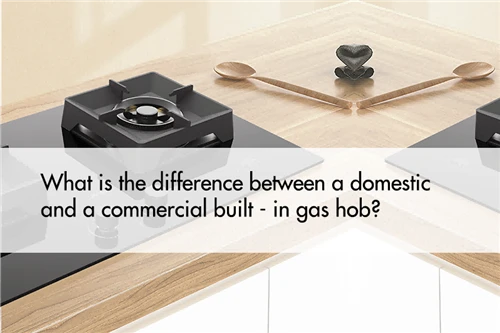
Material selection and build quality are tailored directly to their working environments. Domestic hobs favour elegant, easy-clean finishes: tempered glass surfaces and porcelain enamel grates that stand up to occasional spills and light wiping. These designs prioritise aesthetics and simple maintenance for home kitchens. Commercial built-in hobs use heavy-duty, abrasion-resistant materials. Cast iron burner grates handle repeated sliding of heavy stock pots and skillets; stainless steel tops resist dents, thermal shock and aggressive degreasing cleaners required for health inspections. Internal components are also upgraded: thicker gas pipelines, reinforced ignition systems and corrosion-resistant metal valves that withstand constant heat cycling and heavy cleaning routines. Every component is designed to reduce wear under nonstop operation.
Safety compliance is another non-negotiable difference, regulated by regional standards including NFPA 54, AGA guidelines and FDA sanitation rules. Domestic gas hobs satisfy residential safety codes, with flame failure protection as the baseline safety feature to shut off gas supply when the flame extinguishes. Commercial hobs must meet far stricter code requirements, including enhanced gas pressure regulation matched to high-BTU burners, sealed burner bases to trap food debris and prevent gas blockages, and compatibility with commercial-grade ventilation systems. Multiple cooks working in busy commercial kitchens create more spill risks, so these extra safety features are mandatory for commercial approval. Domestic models often omit these upgrades to control manufacturing costs for home markets.
Size, layout and installation requirements further separate the two categories. Domestic built-in hobs follow standard residential cutout widths: 12-inch single burner, 24-inch and 30-inch 4-burner configurations, with burner spacing sized for standard home cookware. Commercial hobs are available in wider formats such as 36-inch, 48-inch and 60-inch models with 4–6 widely spaced burners, preventing cross-heat contamination during simultaneous high-heat cooking. Slim-depth commercial variants are also available for compact food trucks and narrow kitchen service lines. Installation rules differ sharply too. Domestic hobs connect to standard 1/2-inch gas lines and 120V power supplies, paired with residential range hoods. Most commercial hobs demand 3/4-inch or larger gas supply lines, 240V hardwired power, and ventilation systems rated at minimum 100 CFM per burner to meet local health and fire codes. Commercial installation requires licensed tradespeople familiar with commercial building regulations, which adds to total project costs.
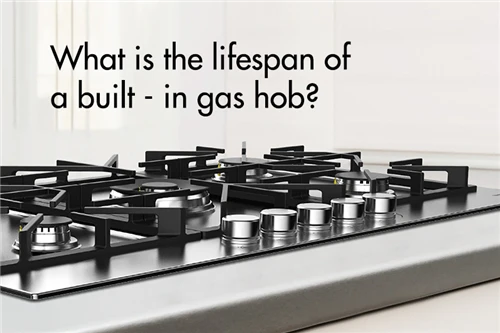
Cost and lifecycle value must be evaluated beyond initial unit price. Domestic glass gas hobs carry a lower upfront price tag, commonly $300–$800 for 30-inch 4-burner models. Equivalent-sized commercial built-in hobs start from $1,500 to $3,000. However, the service life gap is substantial: properly maintained commercial hobs deliver 10–15 years of reliable service, while domestic hobs may require major repairs or replacement within 5–7 years under heavy use. For B2B buyers, total cost of ownership is the key metric. Frequent failures, service callbacks and lost business from down commercial kitchens erase any short-term savings from cheaper residential units.
For your product range and customer recommendations, the rule is straightforward: domestic built-in gas hobs are the correct selection for residential developments, home renovation packages and retail home appliance sales. Commercial built-in gas hobs are the only compliant, durable option for foodservice venues, catering kitchens, food trucks and hospitality projects. Misclassification creates safety risks and compliance failures that can damage your brand reputation across target markets.
For global B2B buyers searching for a flexible, certified built-in gas hob supplier covering both domestic and commercial lines, Dee Appliances is your trusted manufacturing partner. Founded in 1992, we have over 30 years of kitchen appliance R&D and export experience, blending German craftsmanship and Italian design aesthetics to deliver gas hobs that align with international safety standards including ETL, CE, CB, SAA, SASO and RoHS. Our Industry 4.0 smart factory implements full-process quality control, and we invest more than 5% of annual turnover in product
innovation, holding over 260 independent patents for burner technology, flame safety systems and structural durability. We fully understand the distinction between domestic and commercial gas hob specifications covered in this guide, and we support customised OEM & ODM solutions for your regional market demands: tempered glass domestic hobs for home importers, and heavy-duty stainless steel commercial hobs with cast iron grates, high-BTU burners and commercial safety configurations for restaurant, café and food truck distributors. Whether you need standard catalogue models, custom cutout sizes, gas pressure adjustments for LPG or natural gas, or market-specific certification packages, our team can match built-in gas hobs to your project requirements. Visit https://www.deeappliances.com/about-us to learn more about our manufacturing strength, and reach out to our export team to discuss bulk orders, sample requests and product training for your sales channels.
References National Fire Protection Association. (2021). NFPA 54: National Fuel Gas Code. Quincy, MA: NFPA. Food and Drug Administration. (2022). Sanitation Standards for Commercial Food Service Establishments. Silver Spring, MD: FDA. American Gas Association. (2020). Built-In Gas Appliance Performance and Safety Guidelines. Washington, DC: AGA.