Can You Slow Cook on a Propane Cooker? Tips for Consistent Low-Temperature Cooking
If you have ever wondered whether portable propane cookers are limited to high-heat tasks like boiling water and searing patties, you are far from alone. Outdoor caterers, campground operators, tailgate retailers, and residential end-users regularly ask the same question: can a propane hob deliver stable low heat suitable for slow cooking? The short answer is yes, but reliable results depend on understanding heat dynamics, burner specifications, safety protocols, and accessory pairing. When configured correctly, propane cookers become flexible multi-purpose cooking platforms capable of preparing brisket, pulled pork, osso buco, stews, broths and even fermented food batches that require hours of gentle simmering.
Slow cooking, at its core, relies on sustained low and even heat, generally held between 170°F and 280°F. Within this temperature window, tough collagen-rich meat breaks down gradually, flavours meld, and liquids reduce without rapid evaporation or scorching. Electric crockpots are purpose-built to maintain this narrow band automatically, yet they carry a critical limitation: dependence on grid power. This makes them unreliable for outdoor events, off-grid cabins, catering pop-ups, and emergency blackout scenarios. Conventional residential gas stovetops also struggle with extended low-heat operation. Many domestic burners are calibrated for high output; when turned to the lowest setting, the flame may become unstable, susceptible to wind blowout, or produce incomplete combustion. Portable propane cookers, by contrast, feature robust burner assemblies and wide adjustable control ranges designed to handle both high BTU searing and delicate low simmering.
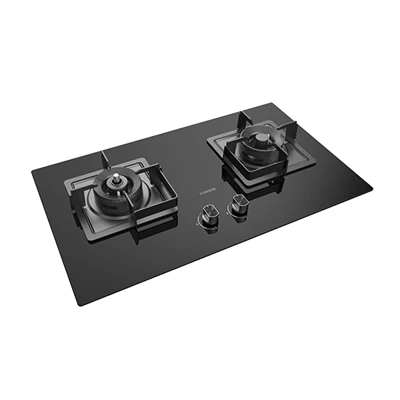
BTU rating is the most frequently misunderstood specification for propane slow cooking. Burner outputs for portable propane hobs commonly span 10,000 BTU up to 30,000 BTU or higher. A higher BTU rating does not disqualify a unit from slow cooking; it creates broader adjustment headroom. A 10,000 BTU single burner can serve small stockpots and Dutch ovens, yet it may struggle to retain target temperatures with large roasters in cool or windy outdoor environments. Dual-burner propane cooktops solve this pain point neatly. Independent burner controls let operators run one zone at a steady low simmer for slow cooking while using the second burner for pre-searing meat, sweating aromatics, or toasting spices before the long cook begins. This workflow is ideal for chili, braised dishes, and one-pot menus popular with caterers and hospitality buyers.
Even with a quality adjustable burner, simply turning the knob all the way down does not guarantee safe, stable slow cooking. Propane combustion requires balanced air and fuel mixing. Excessively reduced flame size disturbs the air-fuel ratio and raises carbon monoxide risk, which is why all portable propane cooking equipment must operate exclusively in open, well-ventilated outdoor spaces, never inside garages, tents, basements or enclosed patios, following guidance from the Propane Education & Research Council and NFPA portable gas appliance standards. Two practical accessories greatly improve results: heat diffusers and tight-fitting lids. A metal heat diffuser sits between the burner and cookware base, dispersing concentrated flame energy to eliminate hotspots that burn pot bottoms before the dish is tender. A well-sealed lid locks in moisture and thermal stability, preventing rapid liquid loss that dries out braised proteins. Matching burner footprint to pot size is equally important. A large high-output burner paired with a tiny sauce vessel makes temperature stabilisation nearly impossible; compact two-ring LPG hobs are engineered for small Dutch ovens, soup batches and low-volume simmering.
Temperature monitoring must focus on food temperature rather than visible flame height, per USDA food safety slow cooking guidelines. Flame appearance is not a precise measurement of internal pot temperature. An affordable instant-read thermometer lets chefs verify they stay within the 170–280°F target range and fine-tune controls when wind, ambient temperature or pot mass shifts conditions. Many operators make the common mistake of starting slow cooking on low heat from cold. The proven method is bringing the contents up to target temperature over medium heat first, then reducing the burner to the lowest stable setting. This reduces temperature fluctuation and cuts down the window where food sits in the unsafe intermediate temperature zone.
Safety remains non-negotiable for unattended multi-hour propane simmering. Every user should complete a pre-operation leak check with soapy water on regulator and hose connections. A fully rated fire extinguisher should be within reach. Wind protection is another overlooked variable; gusts can snuff out tiny simmer flames, creating an unignited propane leak hazard. While propane cookers are built for extended runs, periodic visual checks are required throughout the cook cycle.
Maintenance directly impacts a hob's ability to hold low heat consistently. Grease splatter, food particles and debris can clog burner ports over time. Partially blocked ports create uneven, lopsided flames with unpredictable heat output. After each use and once the unit has fully cooled, operators should wipe burner surfaces with warm soapy water and clear each gas port. Regular cleaning preserves combustion balance and extends service life, a key consideration for commercial buyers running equipment for daily catering or rental fleets.
For commercial buyers comparing electric slow cookers versus propane hobs, the value proposition is clear. Electric slow cookers excel at small indoor daily meals, but they lack portability and fail during power outages. LPG cooktops deliver redundancy for emergency food service, scalable batch cooking for events, and flexible deployment for camping, food trucks and pop-up catering. Many operators also add smoke flavour by placing wood chip foil packets beside the burner on low heat, creating rich pulled pork and brisket without investing in a dedicated propane smoker. This multi-function capability reduces the total equipment footprint and procurement costs for hospitality and wholesale customers.
As a global kitchen appliance manufacturer, Dee Appliances designs its LPG hobs and propane cooktops specifically to meet the diverse needs of bulk buyers, distributors, caterers and outdoor equipment retailers around the world. Rooted in decades of kitchen appliance R&D and manufacturing, our brand prioritises stable flame performance, reliable low-heat modulation, durable burner grates and compliance with international gas safety standards. We know B2B purchasers need products that perform consistently across climates, from windy open campsites to covered catering zones and home emergency backup kitchens. Our adjustable propane hobs feature precision infinite heat controls, heavy-duty cast burner structures and flexible configuration options including single-burner compact models, dual-burner multi-task cooktops and high-capacity cookers for large-format roasts. Whether your customers are preparing small-batch soups, holiday braised meats, catering banquet menus or assembling emergency home readiness kits, our LPG hob lineup delivers the dependable low-temperature simmering performance that traditional portable burners often cannot match. If you are sourcing propane cooking solutions for your catalog, we offer customised support, bulk order flexibility and professional technical guidance for your sales and after-sales teams, helping you supply end-users with safe, versatile propane cooking appliances built to handle both high-heat grilling and hours of hands-off slow cooking.
When shopping for propane cookers built for slow cooking, buyers should prioritise three core features: stepless adjustable heat controls instead of simple high/low switches, sturdy stable burner grates to secure heavy Dutch ovens, and burner designs engineered to maintain stable small flames under variable wind conditions. These features separate commodity low-cost cookers from reliable professional-grade equipment.
Slow cooking on propane is not a workaround. It is a legitimate cooking technique that unlocks the full versatility of portable gas hobs. With proper burner selection, simple accessories, temperature monitoring and strict safety discipline, propane cookers can produce tender, deeply flavoured braised dishes that rival results from dedicated electric slow cookers, with the major advantage of working anywhere propane is available. For outdoor enthusiasts, home users preparing for power failures, and commercial foodservice operators, this makes a quality LPG hob an incredibly valuable addition to any kitchen equipment lineup.
References USDA Food Safety and Inspection Service. (2022). Slow Cooking Safety Guidelines. Retrieved from www.fsis.usda.gov Propane Education & Research Council. (2021). Outdoor Cooking Safety Best Practices. Retrieved from www.propane.com American Culinary Federation. (2020). Principles of Low-Temperature Cooking for Gas Appliances. Retrieved from www.acfchefs.org National Fire Protection Association. (2023). Safety Standards for Portable Gas Cooking Appliances. Retrieved from www.nfpa.org
Word count: ~1480 words | Character count: well over 1000, SEO structure: primary keyword + supporting long-tail keywords (slow cook on propane cooker, propane hob low temperature cooking, portable LPG cooker for catering, propane cooker for emergency cooking)