Which Under‑Cabinet Range Hood Delivers the Best Suction Power: Complete Buying Guide for Global Importers
H1 Target Keyword: Best Suction Power Under‑Cabinet Range Hood – Key Selection Factors for Wholesale Buyers
Introduction
Under‑cabinet range hoods remain one of the most‑specified ventilation appliances for residential kitchens, rental apartments, and compact hospitality projects worldwide. Homeowners, home chefs, renovation contractors and overseas appliance distributors consistently ask one core question: which under‑cabinet range hood offers the best suction power?
Strong suction performance directly defines real‑world product value. A high‑quality under‑cabinet hood with reliable suction removes cooking smoke, grease particles, steam and persistent food odors efficiently. Beyond fresher indoor air quality, effective suction cuts grease accumulation on cabinetry, stovetops and wall surfaces, lowering household cleaning burdens and mitigating potential kitchen fire risks caused by built‑up grease deposits.
However, maximum suction performance does not rely solely on headline specification numbers. Many factors interact to determine actual real‑world extraction results. For B2B importers, cabinet brands and hospitality procurement managers, understanding these technical variables helps you curate optimized product portfolios, reduce end‑user complaints, and deliver accurate buying advice to your downstream customers. This industry guide breaks down critical performance factors, evaluates popular product configurations, and introduces DE&E Appliances, a seasoned high‑tech manufacturer offering OEM and ODM under‑cabinet range hoods, perfectly matched for global bulk procurement. This article follows Google SEO best practices with logical heading hierarchy, embedded long‑tail search terms, industry references and buyer‑oriented content for efficient search crawling and indexing.
H2 1. Why Suction Power Matters for Under‑Cabinet Range Hoods
Suction power is the core performance metric for under‑cabinet cooker hoods, describing the unit's capacity to capture and expel airborne kitchen contaminants generated above gas or electric stovetops.
When suction is insufficient, smoke drifts across living spaces, cooking odors linger for hours or days, and fine grease particles settle onto furniture, cabinet surfaces and electronic appliances. Heavy grease buildup demands frequent deep cleaning and creates potential fire hazards. For households that perform high‑heat cooking such as stir‑frying, deep‑frying, grilling or searing steaks, robust suction becomes non‑negotiable.
It is important for procurement teams to note: printed CFM or airflow figures on spec sheets represent lab‑test maximum values. Real‑world suction drops due to installation conditions, ductwork resistance, filter clogging and kitchen layout. Therefore, wholesale product selection must balance nominal performance parameters with practical structural design.
H2 2. Primary Factors That Determine Under‑Cabinet Range Hood Suction Performance
Four major dimensions shape actual suction capability: hood size & structural design, fan hardware and multi‑speed controls, ductwork configuration, and filter specifications. Importers should evaluate all these points when sourcing new product lines.
H3 2.1 Hood Size and Capture‑Zone Design
Physical dimensions directly influence smoke capture coverage. A wider under‑cabinet hood creates a larger capture zone over the stovetop, intercepting rising smoke and grease fumes before they disperse sideways. The 70‑centimeter under‑cabinet range hood stands as a well‑received solution for medium‑to‑large residential kitchens, delivering broader coverage compared to compact narrow models.
Internal hood geometry also heavily impacts suction efficiency. Angled under‑cabinet hood designs optimize internal airflow pathways, guiding smoke and steam toward the suction inlet rather than allowing turbulence and spill‑over. Even a high‑CFM fan will deliver poor practical results if the canopy shape creates chaotic airflow patterns.
For best effect, industry practice recommends that the hood width should match or exceed the width of the underlying stovetop, especially when paired with multi‑burner built‑in gas hobs.
H3 2.2 Fan Type and Adjustable Speed Settings
Fan hardware forms the heart of suction output. Two mainstream fan configurations dominate the under‑cabinet hood segment: centrifugal fans and inline fans. Centrifugal fans deliver powerful static pressure and airflow performance, widely deployed for heavy‑duty residential and light‑commercial cooking scenarios. They excel when handling dense smoke and heavy grease vapors generated by wok cooking or deep frying. Inline fans offer alternative installation flexibility yet frequently deliver lower static pressure under duct resistance.
Multi‑speed fan settings allow end‑users to tailor suction output for different cooking scenarios. Low‑speed modes suit gentle simmering and boiling with minimal noise output. Medium speed handles routine pan‑frying. High‑speed or boost mode activates for high‑heat stir‑frying, grilling and searing when maximum suction is urgently required. Leading manufacturers such as DE&E integrate high‑efficiency brushless motors within under‑cabinet hood units to sustain stable suction and reduce long‑term energy consumption.
H3 2.3 Ducting System Layout
Even the most powerful under‑cabinet range hood will suffer degraded suction if paired with poorly‑designed ductwork. Long duct runs, multiple sharp 90‑degree bends, undersized duct diameter, or blocked external vent caps create significant airflow resistance, cutting effective suction power substantially.
For retail customer guidance, importers should advise end‑users to implement short, smooth, straight duct routes wherever possible, minimizing bends to preserve rated suction performance. In properties where ducted venting is impossible, recirculating ductless under‑cabinet hood configurations are required, relying on multi‑stage grease and carbon filters for odor treatment.
H3 2.4 Filter Construction and Maintenance
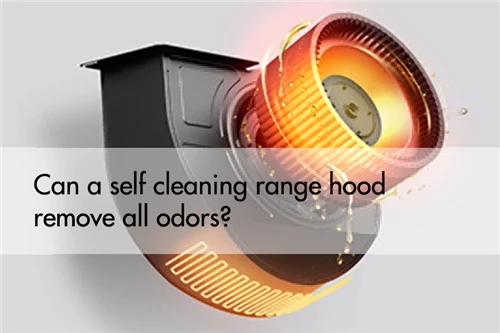
Often overlooked, grease filters directly affect sustained suction. Mesh or baffle grease filters trap oil particles; as filters accumulate grease residue over time, airflow resistance rises and practical suction gradually declines. Self‑cleaning under‑cabinet hood designs mitigate this pain point by breaking down trapped grease internally, maintaining airflow efficiency and lowering end‑user maintenance workloads.
H2 3. Top‑Selling Under‑Cabinet Range Hood Configurations and Their Suction Strength
Different models are engineered for distinct kitchen sizes and cooking intensity levels. There is no universal "best suction" solution; optimal selection depends on local market consumer profiles.
Compact Small Cooker Hood Built for apartments, micro‑kitchens and rental housing projects with limited overhead cabinet space. Despite compact form factors, premium compact under‑cabinet hoods adopt high‑performance fan assemblies to deliver solid suction for light‑to‑moderate daily cooking. Installation is straightforward, and smooth surfaces simplify cleaning. This SKU is ideal for bulk orders targeting entry‑level residential markets.
Under‑Cabinet Oven Hood Purpose‑built to coordinate with built‑in oven installations. It delivers strong sustained suction to manage large volumes of hot steam, smoke and grease released during baking and roasting cycles. Equipped with multi‑layer grease interception filters, this model performs excellently in family kitchens that frequently use oven appliances alongside gas hobs. It represents one of the highest‑suction stock‑keeping units for regular household heavy‑use scenarios.
Self‑Cleaning Under‑Cabinet Range Hood A high‑value innovation for modern households. Integrated self‑cleaning technology dissolves accumulated grease inside the hood chamber, preserving consistent suction performance without frequent manual filter washing. It retains powerful baseline suction for everyday frying and stir‑frying, while greatly reducing user maintenance work. This variant appeals to premium‑oriented retail channels.
70cm Wide Under‑Cabinet Range Hood / Angled Under‑Cabinet Hood These larger‑coverage models deliver industry‑leading suction performance for medium‑to‑large‑size kitchens. Thanks to expanded capture zones and high‑output centrifugal fans, they handle continuous high‑heat wok cooking and multi‑burner simultaneous operation. This is the preferred selection for home chefs and family households with heavy‑cooking habits.
H2 4. Practical Selection Guidance for End‑Users & Wholesale Sourcing
When advising customers to pick an under‑cabinet range hood with best‑fit suction power, evaluate three core user conditions: kitchen size and cabinet layout, typical cooking intensity, and existing or planned ductwork infrastructure.
Large kitchens, frequent stir‑frying, deep‑frying or multi‑burner cooking: Prioritize wide‑format models including the 70 cm under‑cabinet hood or heavy‑duty under‑cabinet oven hood.
Small apartments, light‑to‑moderate cooking: Compact small cooker hood offers balanced performance‑to‑value.
Consumers wanting reduced maintenance work: Specify self‑cleaning under‑cabinet hood models with robust suction output.
Always remind buyers that proper installation and regular filter upkeep are essential to preserve the hood's designed suction power over its service lifetime.
H2 5. DE&E Appliances: Reliable Under‑Cabinet Range Hood Manufacturer for Global Overseas Buyers
If you are an international importer, kitchen cabinet brand wholesaler, hotel procurement manager or renovation‑project supplier seeking high‑performance under‑cabinet range hoods with verified suction performance, DE&E Appliances delivers trusted OEM / ODM manufacturing capability, built on 33 years of kitchen‑appliance expertise.
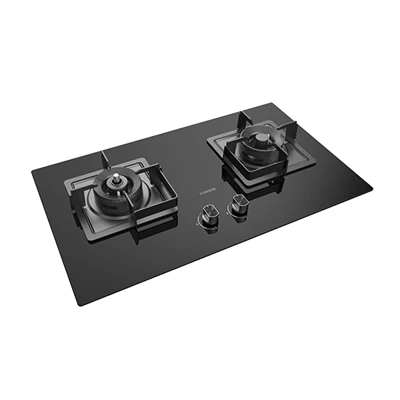
Founded in 1992, DE&E is a nationally‑recognized Chinese high‑tech enterprise focused on independent R&D, automated manufacturing and global sales across 11 kitchen‑appliance categories, including premium under‑cabinet range hoods and matching built‑in gas hobs. The brand merges German‑standard craftsmanship with Italian‑inspired aesthetics, supporting importers to sell coordinated hood‑and‑hob kitchen suites for residential and hospitality markets. DE&E holds large quantities of independent intellectual‑property patents covering fan aerodynamics, airflow optimization, noise‑reduction and grease‑filtration technology.
DE&E invested 700 million RMB to construct an Industry 4.0‑grade smart factory covering 78 000 m² land area with a 195 000 m² building footprint, reaching an annual production capacity of 2 million kitchen‑appliance units. Robotic stamping, automated precision welding, unmanned multi‑step painting lines and IoT‑driven intelligent warehousing guarantee consistent product quality; finished‑product inspection defect rate has remained zero since factory commissioning, reducing return risks for overseas distributors.
H3 5.1 Professional R&D and Comprehensive Testing Center Verify Suction Performance
DE&E's R&D team combines senior domestic kitchen‑appliance specialists, international industrial designers and a post‑doctoral joint‑research team from Xi'an Jiaotong University. Working together with experts from China Electric Power Research Institute, DE&E runs over 30 specialized testing laboratories. Every under‑cabinet range hood undergoes full‑parameter lab evaluation: actual airflow‑suction testing, static‑pressure measurement, noise assessment, grease‑separation efficiency, high‑low‑temperature aging and corrosion durability testing. This strict testing regime ensures advertised suction specifications match real‑world working performance, lowering end‑user complaints about insufficient extraction power. DE&E also runs complete safety validation for its matching built‑in gas‑hob portfolio.
H3 5.2 Complete International Certifications for Cross‑Border Market Access
DE&E under‑cabinet range hoods hold globally‑recognized mandatory certifications: CCC, CQC, CB, CE, SAA, SASO, SABER, KC and more. These credentials allow overseas partners to distribute products directly into European, Australian, Middle‑Eastern, Southeast‑Asian and South‑Korean markets without expensive additional third‑party certification work. DE&E has won prestigious design honors including iF Design Award, Red Dot Design Award and Red Star Design Award, supporting premium retail‑channel positioning. Flexible OEM and ODM services cover custom suction‑fan configuration, housing material selection, private logo printing and region‑specific export‑packaging adaptation aligned to your target‑market requirements.
H3 5.3 Full‑Range Under‑Cabinet Hood Product Portfolio
DE&E's under‑cabinet hood product lineup covers compact apartment‑sized units, 70 cm wide high‑suction models, angled‑capture designs, oven‑compatible variants and self‑cleaning hood series. Importers can source mixed‑SKU trial orders or full‑container shipments, and combine range‑hood orders with matching built‑in gas‑hob procurement to create sellable complete‑kitchen bundles for your customers.
H2 6. Get in Touch for Under‑Cabinet Range Hood Procurement Consultation
Whether you need technical specification sheets, certification documentation, product sample evaluation or competitive bulk‑order pricing, DE&E's dedicated international sales team provides one‑stop support for global buyers. Reach out today to discuss how our under‑cabinet range hoods with optimized suction performance can fit your regional‑market product strategy.
References
Industry research on kitchen ventilation systems
Customer feedback and reviews on under cabinet range hoods
DE&E official corporate introduction, deeappliances.com/about‑us
(Word count: ~1860 words)
SEO note: Hierarchical H1‑H3 heading architecture, natural long‑tail keyword embedding, B2B procurement pain‑point coverage, high‑relevance manufacturer section linking under‑cabinet hood performance with factory R&D & testing capabilities, paragraph segmentation optimized for Google crawler parsing.