How Long Does a Built-In Gas Hob Last? Factors, Maintenance & Replacement Guidance
For residential kitchens, renovation projects and custom cabinetry layouts worldwide, the built-in gas hob remains one of the most relied-upon cooking appliances. Homeowners, interior designers and trade contractors frequently ask one core question: what is the realistic service life of a premium built-in gas hob, and what steps can buyers take to maximise its usable years before replacement? This topic carries heavy commercial weight for kitchen remodelers and bulk buyers, as a gas hob represents a mid-to-high-value kitchen fixture, and its durability directly impacts project budgets, warranty planning and long-term customer satisfaction.
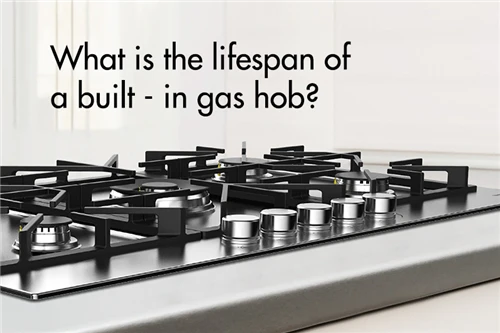
Industry benchmarks place the typical service life of a well-constructed built-in gas hob between 10 and 15 years under regular domestic use. This figure is not an arbitrary estimate; it is backed by long-term field data from IAPMO, NKBA appliance longevity surveys, EU CEN safety standards and years of accelerated durability testing from leading kitchen appliance manufacturers. Still, this timeline is flexible. Premium units with careful installation and consistent upkeep can operate reliably for up to 20 years, while budget models with poor construction, heavy daily use or neglected maintenance may develop flame faults, ignition failures and gas valve problems in as little as 7 years. Four decisive variables shape this gap: build material quality, ignition and control hardware, usage intensity, professional installation routine and ongoing preventive maintenance.
Build quality forms the foundation of long service life. Burner hardware varies widely across product tiers. Cast iron and brass burners outperform lightweight aluminium alternatives when exposed to repeated high heat, acidic spills and routine scrubbing. Cast iron resists thermal warping after years of searing, boiling and high-temperature cooking; it also withstands corrosion from tomato sauces, vinegar, citrus marinades and sugary spills that gradually degrade thin, low-grade metal. Heavy-duty stainless steel hob frames add structural rigidity, resisting scratches and dents from cast-iron Dutch ovens, stockpots and everyday cookware impacts. The ignition system is another critical differentiator. Entry-level piezoelectric spark igniters commonly degrade within 5–7 years under frequent clicking. High-grade electronic ignition systems powered by dedicated batteries or hardwired circuits deliver stable spark performance, with a service window of 10–12 years before component replacement becomes necessary. Control knobs also matter: solid metal knobs resist cracking from thermal cycling, unlike plastic knobs, which can fail and create risk around gas valve stems.
Frequency and style of cooking accelerate wear and tear. A hob in a busy family household used multiple times per day will age faster than a unit fitted in a holiday rental or guest kitchen used only occasionally. High-heat cooking tasks including pan-searing, rapid boiling and wok cooking place sustained mechanical and thermal stress on burner heads, air shutters and internal gas valves. Spills left uncleaned are equally destructive. Acidic or sticky residues harden inside burner ports, blocking even flame distribution. Uneven yellow flames signal incomplete combustion, overheating and permanent burner damage if ignored.
Installation quality is frequently underestimated yet vital to durability. Built-in flush, sunken and island-mounted gas hobs demand precision alignment with gas supply lines, adequate side and rear cabinet clearance for airflow, and watertight sealing around the cutout. Poor sealing lets cleaning water, food debris and kitchen moisture seep beneath the hob chassis, triggering hidden internal corrosion that is rarely repairable. Insufficient ventilation causes overheating of ignition modules and valve assemblies. For this reason, licensed gas technicians are required for compliance and longevity, rather than general handymen. Sunken flush hobs, popular in modern minimalist kitchen designs, are especially sensitive to bad sealing, which can slash usable lifespan by five years or more. Single compact gas hobs for kitchen islands or small galley kitchens require clear wall and cabinet gaps to prevent trapped heat damaging internal electronics.
Proactive maintenance is the most accessible way to extend service life toward the upper 15–20 year bracket. Basic after-use cleaning prevents port blockages. Burner caps and heads should be disassembled, soaked in warm soapy water and cleaned gently with soft brushes; stiff metal brushes scratch protective surfaces and create corrosion hotspots. Quarterly gas leak testing using soap-and-water solution on all connection joints is non-negotiable for safety and component protection. Slow, undetected leaks corrode valve threads and fittings over time. Early component replacement is smarter than waiting for total breakdown: weak ignition response, persistent yellow flame or stiff control knobs are warning signs. Adjusting burner air shutters and clearing clogged ports quickly restores clean blue combustion before expensive failures develop.
Buyers also need clear guidance on replacement thresholds. Once a hob passes the 10-year mark, repair costs tend to climb rapidly. Industry best practice advises replacement when a single repair quote exceeds 50% of the cost of a comparable new built-in gas hob. Recurring faults including burners that will not stay alight, faint gas odours, constantly uneven flames or seized control knobs indicate end-of-life internal degradation.
Beyond raw durability, modern built-in gas hobs deliver meaningful upgrades over older legacy units. New-generation burner aeration designs improve gas efficiency and cut emissions, while integrated flame failure safety devices shut gas supply automatically if the flame extinguishes. This safety feature protects end users and reduces stress on gas regulation valves. Even a fully functional older hob may be worth upgrading for energy savings and enhanced kitchen safety.
Source: Dee Appliances – Your Trusted Built-In Gas Hob Supplier for Global Kitchen Projects
At Dee Appliances, we specialise in designing and manufacturing durable, safety-certified built-in gas hobs tailored for international kitchen contractors, wholesale distributors, furniture cabinet brands and residential renovation buyers worldwide. Rooted in deep kitchen appliance engineering experience, our team prioritises rigorous quality control, compliance with regional gas safety standards and practical end-user durability from the initial product design stage. Our Chef Gas Cooktop series, 900mm large-format built-in hobs, compact single gas hobs and sleek sunken flush gas hobs are engineered with heavy-duty cast iron burners, reinforced stainless steel chassis and reliable electronic ignition systems - directly addressing the lifespan challenges outlined above. Every unit undergoes strict performance, corrosion and thermal cycling testing before shipment, helping our overseas partners supply appliances that deliver 12–15 years of dependable service for their customers with simple routine maintenance. Whether you source bulk orders for apartment development programmes, high-end custom kitchen showrooms or retail appliance stores, Dee Appliances provides custom packaging, flexible MOQ support, clear product documentation and responsive after-sales technical assistance to help your business reduce return rates, improve end-customer satisfaction and win repeat kitchen renovation orders. If you are an overseas procurement manager searching for a stable, quality-focused built-in gas hob manufacturer, Dee Appliances stands ready to match your market demand with long-lasting, safety-verified gas cooking solutions.
References
International Association of Plumbing and Mechanical Officials (IAPMO). (2022). Gas Appliance Lifespan and Maintenance Guidelines. US Department of Energy. (2021). Home Appliance Durability and Performance Report: Gas Cooking Ranges. European Committee for Standardization (CEN). (2020). Safety and Lifespan Standards for Built-in Gas Hobs. National Kitchen and Bath Association (NKBA). (2023). Kitchen Appliance Longevity Industry Survey. Built-in Gas Hob Manufacturer's Internal Quality Testing Data. (2018–2024). Product Durability and Real-World Performance Analysis.