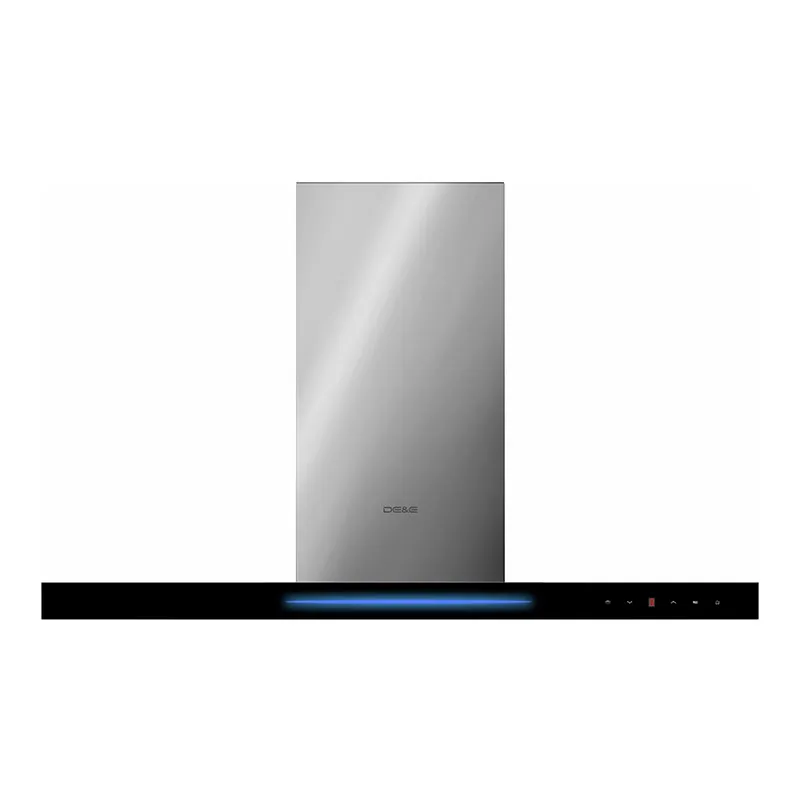
Not cleaning your range hood can lead to three serious consequences: health hazards, safety risks, and equipment damage. Long-term neglect can potentially cause fires, increase the risk of cancer, and cause respiratory diseases.
1. Serious Health Threats
Inhaling harmful substances like "smog": A range hood that hasn't been cleaned for a long time will not exhaust properly, causing PM2.5 concentrations in the kitchen to spike, potentially increasing by tens to hundreds of times. Cooking fumes contain known carcinogens such as benzopyrene and acrolein; long-term inhalation significantly increases the risk of lung cancer. 60% of lung cancer patients among non-smoking women are linked to kitchen fumes.
Damage to the respiratory system and skin: Acrolein in cooking fumes strongly irritates the eyes, nose, and throat, easily causing chronic pharyngitis and rhinitis. Long-term exposure in women can also lead to clogged pores, accelerated aging, and age spots.
Inducing cardiovascular disease: Cooking fumes contain large amounts of cholesterol oxides; long-term exposure may increase the risk of cardiovascular and cerebrovascular diseases, especially for the elderly.
2. Major Fire Hazards
Flammable Grease, a "Time Bomb": Grease buildup in exhaust ducts and impellers is highly flammable and easily ignited by open flames or high temperatures. Fires caused by uncleaned exhaust ducts have occurred in numerous locations across China, including Quzhou in Zhejiang, Guiyang in Guizhou, and Fengtai in Beijing.
Rapid Fire Spread: The enclosed space of exhaust ducts easily creates a "chimney effect," causing fires to spread rapidly after ignition, making them difficult to extinguish and potentially leading to multi-level fires that threaten the safety of the entire building.
3. Degraded Equipment Performance and Damage
Significantly Reduced Suction Power: Clogged grease filters and increased impeller load lead to decreased exhaust efficiency, preventing timely removal of fumes and affecting the cooking environment.
Increased Motor Wear: Grease increases impeller weight, causing the motor to operate under overload, resulting in increased starting current and severe overheating, which may eventually burn out the motor. Increased noise and power consumption: Oil stains adhere to the rotating shaft, increasing friction and significantly increasing noise during operation. Energy consumption can also increase by 15%-30%.
Shortened lifespan: Oil stains corrode metal parts, accelerating aging and shortening the range hood's lifespan. Older range hoods used beyond their lifespan are more prone to safety accidents.