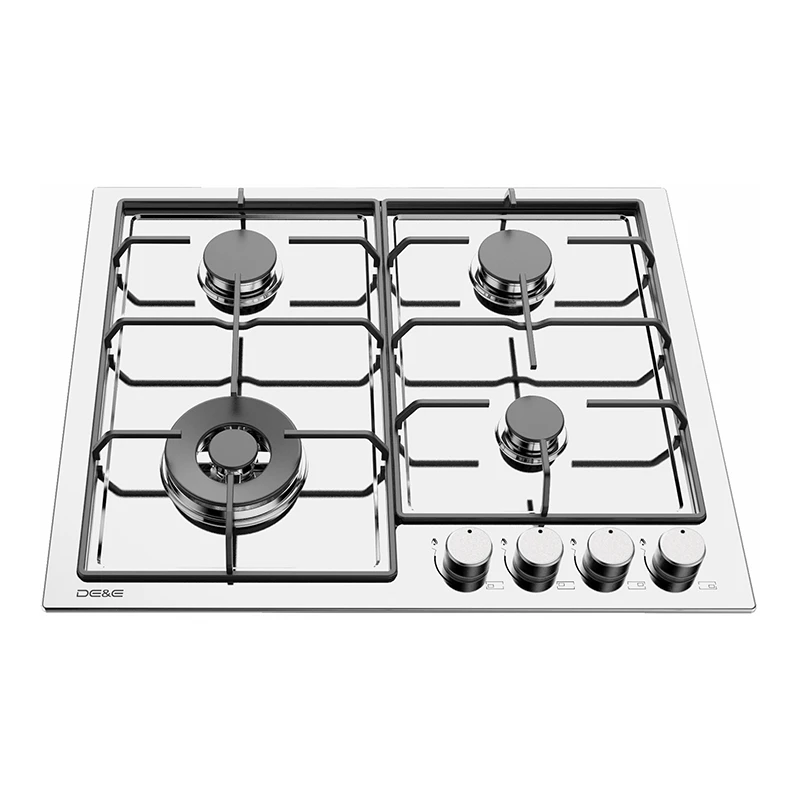
The aging of a gas stove can be determined through four dimensions: function, condition, appearance, and safety devices. Here are the specific identification methods:
Check if the functions are normal
Ignition difficulty: Frequent failure to ignite or requiring multiple ignition attempts.
Frequent flameout: The flame goes out unexpectedly during cooking, especially after soup or liquid overflows, and the gas supply does not automatically shut off.
Valve not closing tightly: There is still a gas leak sound or odor after closing the knob.
If the problem persists after repair, it indicates that internal components are aging and replacement is recommended.
Check if the combustion is stable
Abnormal flame color: Normal flame is blue. Yellow, red flames, or black smoke indicate incomplete combustion, possibly due to a clogged nozzle or a malfunctioning air damper, which can easily produce carbon monoxide.
Uneven heat: The flame on the same burner fluctuates in size, or there are significant differences in heat output between multiple burners.
Check for exterior damage
Stove body deformation, cracks, or corrosion: Especially noticeable corrosion on metal parts such as the burner and bottom shell.
Aging pipes: Gas hoses showing cracks, hardening, oil seepage, or rodent bite marks.
Severe carbon buildup on the burner caps: Long-term neglect of cleaning can clog the burner holes, affecting combustion efficiency.